
Understanding Different Types of Aviation Training Programs
The aviation industry offers a wide range of career opportunities, from flying aircraft to managing airport operations and ensuring passenger safety. Selecting the appropriate aviation training program is crucial for entry into this ever-changing sector. Every curriculum is made to satisfy regulatory requirements, develop certain abilities, and get students ready for careers in real-world aviation.
Aspiring professionals can choose a career path that fits with their interests and objectives by being aware of the various kinds of aviation training programs.
Pilot Training Programs
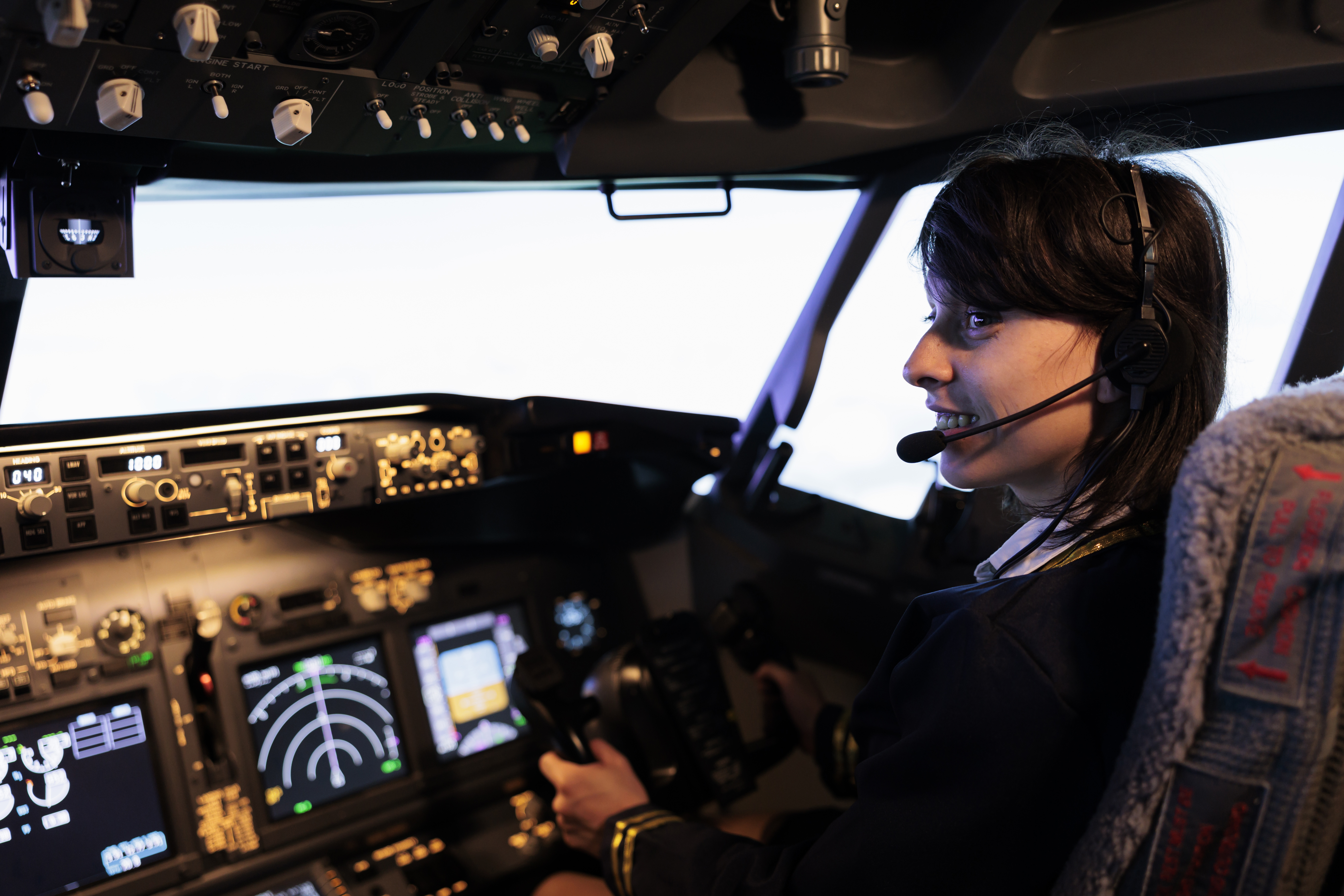
One of the most popular aviation courses is pilot training. These courses concentrate on improving technical knowledge, piloting skills, and decision-making abilities. Ground school, simulator sessions, and hands-on flight hours are typically included in training. Depending on their employment goals, students can seek a variety of licenses, such as the Commercial Pilot License (CPL) or the Private Pilot License (PPL). Discipline, a high aptitude for analysis, and an affinity for flying are all necessary for pilot training.
Cabin Crew & Flight Attendant Training
Students enrolled in cabin crew training programs are prepared to guarantee the comfort, safety, and superior service of passengers. Safety protocols, emergency response, customer service, grooming standards, and communication techniques are all included in these courses. Professionals in the cabin crew are essential to ensuring passenger safety and an enjoyable journey.
Aircraft Maintenance Engineering (AME)
The inspection, maintenance, and repair of aircraft systems are the fundamental objectives of programs in aircraft maintenance engineering. These technical courses blend education with practical experience. AMEs play a highly esteemed and crucial role in aviation operations since they are in charge of guaranteeing the airworthiness and safety of aircraft.
Ground Operations & Airport Management
For those interested in the operational aspect of aviation, training programs in ground operations and airport management are perfect. Airport planning, airline operations, cargo management, passenger handling, safety rules, and airport security are all covered in these courses. Graduates can hold management or supervisory positions at airports, airlines, and aviation service providers.
Aviation Safety & Security Training
Programs for safety and security training include a strong emphasis on risk management, emergency preparedness, and regulatory compliance. Students gain knowledge of security procedures, safety audits, aviation rules, and crisis management. These initiatives are essential to upholding global aviation standards and guaranteeing efficient operations throughout the sector.
Air Traffic Control (ATC) Training
Students who complete air traffic control training are equipped to control aircraft movement both in the air and on the ground. These courses emphasize weather analysis, communication, navigation, and making decisions under pressure. In order to ensure effective air traffic flow and safe aircraft separations, ATC specialists are essential.
Why Choose Aerowis for Training in Aviation?
Selecting the right training institute is just as important as choosing the right course. Here is where Aerowis distinguishes itself as a reputable aviation academy in Calicut.
- Comprehensive Course Offerings: Aerowis offers a variety of aviation training programs that are customized to industry standards and professional requirements.
- Qualified instructor: Our instructors ensure that students acquire both theoretical knowledge and practical insights by drawing on their real-world flying expertise.
- Industry-Focused Training: Programs are created to meet the demands of the aviation sector today, enhancing students’ employability and preparedness for the workforce.
- Modern Training Methods: From classroom learning to simulations and practical exposure, Aerowis ensures a balanced and effective learning approach.
- Career Guidance & Support: We assist students with career counseling, skill development, and placement guidance to help them succeed in the aviation industry.
tag:

aerowis@dmin
 frequently Asked Questions